The Soul Train Awards made their return on Friday, Nov. 27, airing on BET and CBS after a two-year hiatus. Taped Nov. 5 at Chicago’s Harris Theater and hosted by Anthony Anderson, the revamped ceremony presented two fan-voted awards: Tyla’s “Chanel” won R&B/soul song of the year, while PARTYNEXTDOOR received Spotify’s RNB X international artist honor. LisaRaye McCoy and Chance the Rapper presented the awards, but neither winner was in attendance.
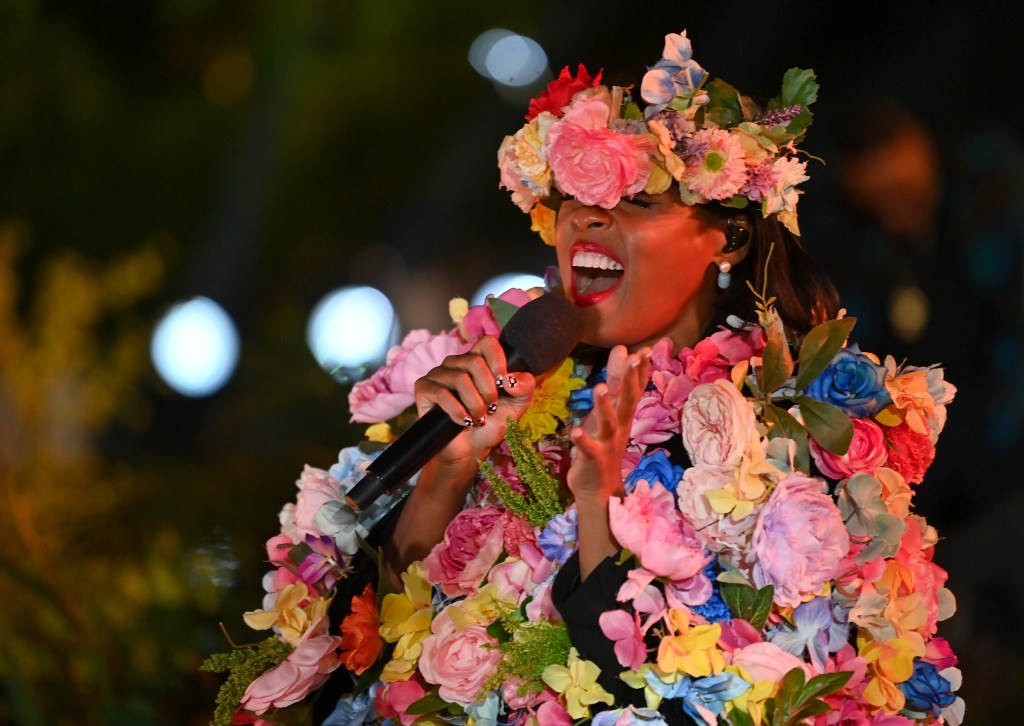
The two-hour broadcast also featured performances from Classic Soul honoree Chaka Khan, New Soul honoree Elmiene and Soul Personified honoree Durand Bernarr. Lucky Daye and Muni Long also performed, alongside JayDon and Jai’Len Josey, who appeared in the BET Amplified segments spotlighting emerging artists.
A Soul Train Tradition Returns
The Soul Cypher was back, with Erykah Badu joining Rapsody, Dave Hollister, CeeLo Green and Avery Wilson for Spotify’s “Badu’s Soul Cypher.” Anderson recalled that Badu had called for the cypher’s return in 2015. The show also honored Soul Train creator and original host Don Cornelius through archival footage, photos and reflections from performers and presenters. Cornelius launched the dance program in Chicago in 1970; it entered national syndication the following year, later moved to Los Angeles and concluded in 2006. The series became known for its broad range of performers, dance line, scramble board and weekly attention to fashion and culture. The Soul Train Music Awards began in 1987, adding to the franchise’s 56-year legacy.
Kirk Franklin opened the broadcast with an energetic performance of “This Time,” a track from his latest album, I Am What I Am, featuring GloRilla. Anderson joined him onstage and surprised the audience with a personalized rap that celebrated Soul Train and Cornelius before turning to jokes about Franklin’s tight shirt and his own circulation.
Honoring Soul’s Past And Present
BET executive vice president Connie Orlando told Billboard that the ceremony aimed to connect generations while celebrating artists’ legacies. Khan, Elmiene and Bernarr represented three stages of R&B and soul, each performing before accepting an honor. Common announced that BET is establishing the Chaka Khan Humanitarian Award, which will be presented annually at the Soul Train Awards starting in 2027 to recognize humanitarian, community service and social justice work by musicians and cultural figures. The award reflects Khan’s longstanding efforts through the Chaka Khan Foundation, founded in 1999.
“I’m most honored … Soul music is more than something we sing. It’s our history, our joy and our pain. It’s our churches and our love for one another. To the young people coming up: stand strong, keep your voice and follow your heart … We’ve still got so much music to make and so much love to give … We’re not finished yet.”
Khan, whose career spans 50 years, closed the show with “I’m Every Woman” and “Through the Fire.” Elmiene accompanied himself on piano for “Honour,” from his 2026 debut album, sounds for someone, and dedicated his award and future honors to his hero D’Angelo, crediting the late singer with inspiring his path into music. Bernarr, a newly named 2027 Grammy nominee and 2026 first-time winner, performed “My Life” from BERNARR before accepting his award from Muni Long. He praised the artists whose voices came before his and Cornelius’ role in bringing Black talent into homes, then closed with the show’s signature words: “Love, peace and soul!”
Anderson also explained why Dolly Parton was being recognized, pointing to her support of the Black community and the proceeds she directed back to the community from Whitney Houston’s hit version of “I Will Always Love You.” He quoted Parton’s 2020 remarks: “Of course, Black Lives Matter. Do we think our little white asses are the only ones that matter? No.” Robert Randolph, who had played with Parton, then joined Brittney Spencer and Mickey Guyton for “Jolene,” prompting an audience singalong. El DeBarge paid tribute to Freddie Jackson with “You Are My Lady”; Anderson noted that Jackson “made slow dancing an artform.”